
Oral & Maxillofacial Surgery
Oral & Maxillofacial Surgery
Comprehensive surgical care for conditions of the mouth, jaws and face.
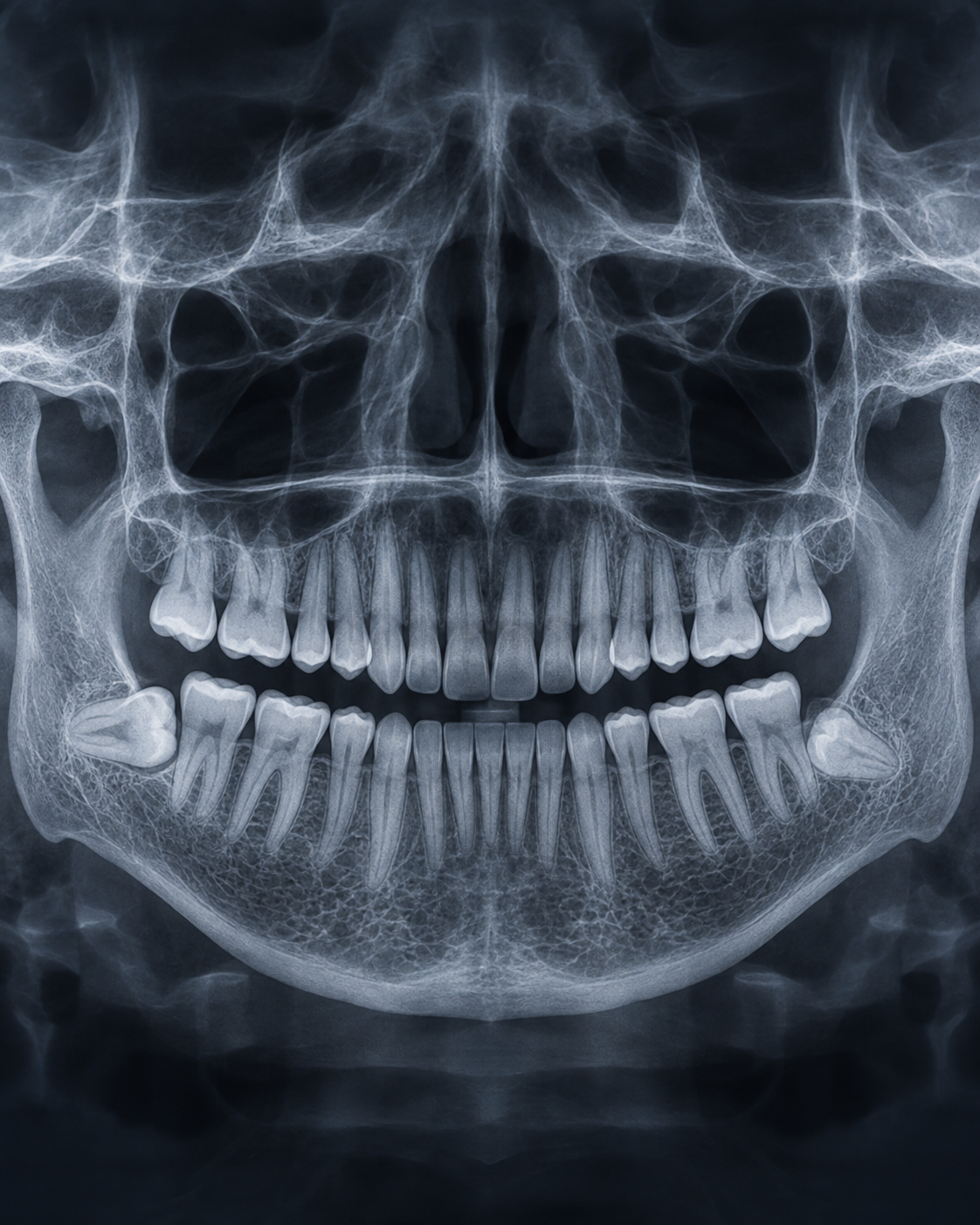
Procedures in Oral & Maxillofacial Surgery
- Facial TraumaManagement of fractures and soft-tissue injuries of the jaws, cheekbones and face.
- Jaw PathologyDiagnosis and treatment of conditions affecting the bone of the jaws.
- Impacted TeethSurgical management of wisdom teeth and other teeth that have not erupted normally.
- Cysts & TumoursSurgical treatment of cysts and benign or malignant tumours of the jaws and oral cavity.
- Craniofacial ConditionsSurgical care for congenital and developmental conditions of the face and jaws.
- Reconstructive SurgeryRestoring form and function of the jaws and face after trauma, disease or previous surgery.
Overview
Comprehensive surgical care for conditions of the mouth, jaws and face.
Every recommendation follows an individual assessment of your concerns, anatomy and goals. The sections below explain how this treatment is typically diagnosed, planned and carried out.
Who May Benefit
- Patients referred by a dentist, orthodontist or physician for specialist surgical care
- Patients with injuries, cysts, tumours or other conditions of the jaws and face
- Patients requiring reconstruction following trauma or disease
Conditions Treated
- Facial trauma
- Jaw pathology
- Impacted teeth
- Cysts and tumours
- Craniofacial conditions
Diagnosis
Diagnosis is based on clinical examination and appropriate imaging, often CBCT or CT, and where needed a biopsy to confirm the nature of a lesion.
Treatment Planning
Plans are tailored to the diagnosis and may involve collaboration with other specialists. The balance between treating the condition and preserving function and appearance is central to planning.
Virtual Planning
3D Planning
For reconstructive and trauma surgery, 3D planning can assist in restoring facial symmetry and designing patient-specific reconstruction plates or guides.
Surgical Overview
Oral and maxillofacial surgery encompasses the diagnosis and surgical management of a broad range of conditions affecting the mouth, jaws, face and neck.
Recovery
Recovery ranges from a few days after routine minor oral surgery to several weeks after major reconstructive surgery. Follow-up may include monitoring imaging.
Risks & Considerations
All surgery carries risk. Potential risks are discussed in detail during consultation, and may include:
- Swelling and discomfort
- Bleeding or infection
- Altered sensation
- Recurrence of some lesions
- Risks associated with anaesthesia
Frequently Asked Questions
Do I need a referral?
Referral requirements depend on your location and healthcare system. Patients and referring clinicians are welcome to use the consultation form to discuss next steps.
The information on this website is for general educational purposes and does not replace a consultation. Suitability for any procedure, and its potential benefits and risks, can only be determined following an individual clinical assessment. Individual results vary.
Discuss your options with Dr. Bakri
A consultation is the first step toward an accurate diagnosis and an individual plan.